The 12 Constellations, Explained
Your constellation type isn't picked from a quiz result screen. It's calculated from how your attachment style combines with your personality, specifically your Big Five traits. Below, all 12 types are grouped by attachment style, with the actual mechanism behind each one: why that trait combination produces that expression, how it actually shows up in relationship behavior, and what it means for compatibility and growth.
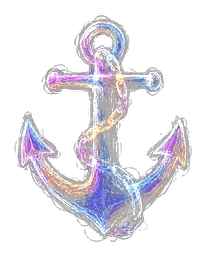 The Anchor
The Steady Heart · Secure attachment, high Conscientiousness
Why this combination produces this type
Conscientiousness brings orderliness, reliability, and follow-through. Paired with secure attachment's baseline trust, this doesn't just produce someone who feels safe in a relationship, it produces someone who actively builds the structures that keep it safe: remembering what matters, following through on commitments, showing up consistently.
How it actually shows up
In daily life, Anchors are the ones who text back when they say they will, who plan ahead rather than leaving things to chance, and who partners describe as "someone I can actually count on." They're rarely flashy about affection, but the affection is dependable.
Compatibility & growth
Anchors do well with partners who value that reliability rather than finding it predictable in a bad way. Someone who craves constant unpredictability may not fully appreciate an Anchor's steadiness. The growth edge for Anchors is trusting that spontaneity isn't a threat to stability.
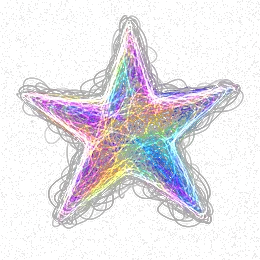 The Dreamer
The Imaginative Soul · Secure attachment, high Openness
Why this combination produces this type
Openness brings curiosity, imagination, and comfort with ambiguity. Combined with secure attachment's trust, this produces someone who doesn't need certainty to feel safe, they can explore ideas, feelings, and possibilities with a partner without that exploration feeling threatening to the relationship itself.
How it actually shows up
Dreamers want relationships that feel intellectually and emotionally alive: deep conversations, new experiences together, room to grow and change without the relationship feeling destabilized by that growth. They're drawn to authenticity over convention.
Compatibility & growth
Dreamers thrive with partners who can meet them in that depth, rather than partners who want a purely practical, low-conversation connection. The growth edge for Dreamers is grounding big ideas in follow-through, which is often where a partner's different strengths help balance them out.
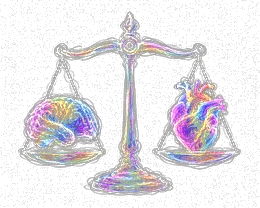 The Harmonizer
The Peacemaker · Secure attachment, balanced across traits
Why this combination produces this type
Without one Big Five trait pulling strongly in a direction, the underlying security itself becomes the defining story. Harmonizers aren't shaped by having a lot of any one trait, they're shaped by using their overall balance to read a room, adapt smoothly, and keep relational peace.
How it actually shows up
Harmonizers are often the ones who notice tension before it becomes real conflict, and who can hold two people's different needs at once without feeling torn. Partners often feel unusually understood by them.
Compatibility & growth
Because Harmonizers are so good at accommodating others, the real risk is quietly under-expressing their own needs in the name of keeping harmony. The healthiest version of this type learns that honest, occasional friction isn't the opposite of harmony, it's part of it.
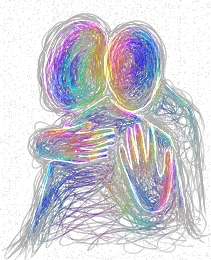 The Devotee
The Wholehearted · Anxious attachment, high Agreeableness
Why this combination produces this type
Agreeableness brings warmth, empathy, and a genuine desire to give. Combined with anxious attachment's hunger for closeness, this produces someone who doesn't just want reassurance, they give enormous devotion as a way of building the security they're looking for.
How it actually shows up
Devotees often remember small details about a partner's life, go out of their way to offer support, and show love through consistent acts of care. The flip side: they can over-give, sometimes tying their own sense of security too tightly to how appreciated that giving feels in return.
Compatibility & growth
Devotees do best with partners who actively reciprocate and reassure, rather than partners who take affection for granted. The growth edge is learning that their own worth doesn't depend entirely on how devoted they're being in any given moment.
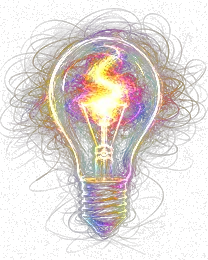 The Catalyst
The Passionate Connector · Anxious attachment, high Extraversion
Why this combination produces this type
Extraversion brings energy, sociability, and comfort putting yourself out there. Paired with anxious attachment's need for connection, this produces someone whose anxiety gets channeled outward into pursuing closeness actively and vocally, rather than withdrawing from it.
How it actually shows up
Catalysts bring warmth and energy into a relationship, initiate plans, and express feelings openly, often making a partner feel distinctly chosen. Under stress, that same energy can turn into pursuing reassurance more intensely, sometimes faster than a partner can keep up with.
Compatibility & growth
Catalysts benefit from partners who can meet their energy without feeling overwhelmed by it. The growth edge is learning to sit with uncertainty for a beat, rather than immediately needing a resolution to every worry.
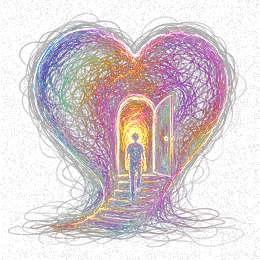 The Seeker
The Deep Explorer · Anxious attachment, balanced across traits
Why this combination produces this type
Without one trait dominating, Seekers' anxious attachment shows up less as a specific behavior pattern, like over-giving or active pursuit, and more as an ongoing internal search for something that feels genuinely secure and real.
How it actually shows up
Seekers are drawn to depth and authenticity. Surface-level connection doesn't quiet their underlying need for reassurance, so they keep looking for something that actually feels solid, asking real questions and noticing when something feels performative.
Compatibility & growth
Seekers benefit enormously from partners who are consistently transparent rather than guarded, since ambiguity feeds anxious attachment more than almost anything else. Over time, learning to trust a pattern of reliability, rather than needing constant fresh proof of it, is the real work.
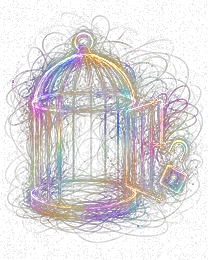 The Maverick
The Free Spirit · Avoidant attachment, high Openness
Why this combination produces this type
Openness brings a hunger for novelty and resistance to convention. Combined with avoidant attachment's discomfort with dependency, this produces someone whose independence isn't just self-protective, it's actively part of their identity and sense of freedom.
How it actually shows up
Mavericks want relationships that don't box them in, drawn to partners who have their own full lives and don't need constant togetherness to feel secure. They can come across as commitment-resistant, when really they're protecting a sense of autonomy that feels core to who they are.
Compatibility & growth
Mavericks do well with partners who don't take independence personally, and who can offer connection without demanding constant proof of commitment. The growth edge is learning that real intimacy doesn't have to mean losing that freedom.
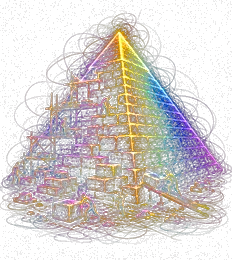 The Architect
The Thoughtful Builder · Avoidant attachment, high Conscientiousness
Why this combination produces this type
Conscientiousness brings structure and reliability. Paired with avoidant attachment, this produces someone who manages the discomfort of emotional closeness by building clear, logical structures around the relationship instead, through expectations, routines, and practical partnership.
How it actually shows up
Architects show love through competence and follow-through rather than emotional expressiveness. They can be excellent, dependable partners in practical terms, while still keeping some emotional distance a partner might read as coldness, when it's often just a different love language.
Compatibility & growth
Architects benefit from partners who don't need constant verbal reassurance and who can appreciate practical devotion as real devotion. The growth edge is practicing naming feelings directly sometimes, not only demonstrating care through action.
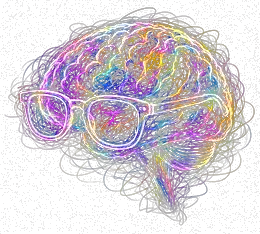 The Observer
The Quiet Analyst · Avoidant attachment, balanced across traits
Why this combination produces this type
Without one trait dominating, Observers' avoidance shows up mainly as a need for space and time to process, rather than a specific behavioral pattern like a Maverick's restlessness or an Architect's structure-building.
How it actually shows up
Observers think before they feel out loud. They notice a lot, say relatively little in the moment, and need room to process before engaging emotionally. Partners sometimes misread this quiet as disinterest, when it's often just their actual processing style.
Compatibility & growth
Observers do best with partners who don't take their need for space personally, and who give them room to come back to a conversation once they've actually processed it. The growth edge is learning to signal "I need space, not distance" clearly, so a partner doesn't fill that silence with their own worry.
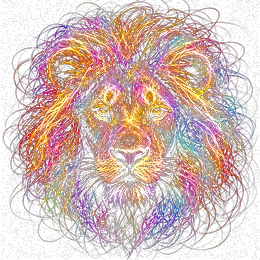 The Guardian
The Watchful Protector · Fearful attachment, high Conscientiousness
Why this combination produces this type
Conscientiousness brings a strong sense of responsibility and follow-through. Paired with fearful attachment's wariness, this produces someone who manages the tension between wanting closeness and fearing it by becoming protective, of themselves and the people they love, rather than fully pursuing or fully avoiding.
How it actually shows up
Guardians are careful about who they let in, but once trust is actually established, they become fiercely loyal and dependable. They tend to watch for signs of things going wrong before they happen, sometimes to a fault.
Compatibility & growth
Guardians benefit from partners who are patient through the "testing" phase before trust is granted, and consistent enough to eventually earn it. The growth edge is learning that vigilance, while protective, can also prevent fully relaxing into a relationship that's actually safe.
 The Phoenix
The Resilient Transformer · Fearful attachment, high Openness
Why this combination produces this type
Openness brings a capacity to make meaning out of difficult experience and imagine real change. Combined with fearful attachment's push-pull, this produces someone whose relationship history often includes real ruptures, but also a real capacity to grow from them rather than staying stuck.
How it actually shows up
Phoenixes carry emotional complexity, sometimes pushing partners away and pulling them close within the same season, but they're also unusually capable of real transformation once they feel safe enough to do the work. They value partners who can honor growth, not just demand stability.
Compatibility & growth
Phoenixes do best with patient partners who don't take the push-pull personally as rejection, and who can hold steady through it. The growth edge is building enough consistent safety, over time, that the pulling-away instinct softens on its own.
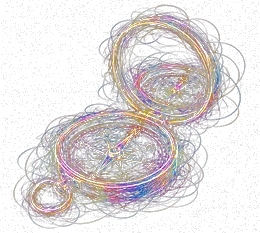 The Compass
The Reflective Navigator · Fearful attachment, balanced across traits
Why this combination produces this type
Without one trait dominating, Compasses experience fearful attachment's push-pull mainly through reflection and self-awareness rather than a specific active behavior pattern. They notice the tension in themselves, even when they can't always resolve it.
How it actually shows up
Compasses are often deeply self-aware and perceptive about relationship dynamics, their own and others', but can feel genuinely torn between wanting closeness and needing to protect themselves from being hurt. This isn't indecision for its own sake, it's a real, felt conflict.
Compatibility & growth
Compasses benefit from partners who are transparent and patient, and from naming the internal conflict out loud instead of only feeling it privately. Trust built slowly, through consistency, tends to work better for this type than trust demanded quickly.
Why grouping it this way matters
Notice the pattern within each attachment group: the same trait does different work depending on the attachment foundation underneath it. High Conscientiousness shows up as steadiness in a Secure person (The Anchor), as structure-building in an Avoidant person (The Architect), and as watchfulness in a Fearful person (The Guardian). It's the same trait every time, but attachment style shapes what that trait is actually protecting or building toward. That's the real mechanism behind the 12 types, not twelve arbitrary labels.
For the peer-reviewed research behind attachment theory and the Big Five personality model themselves, with real citations, see our Case Studies page.
Curious which of the 12 you actually are?
Take the free assessment →